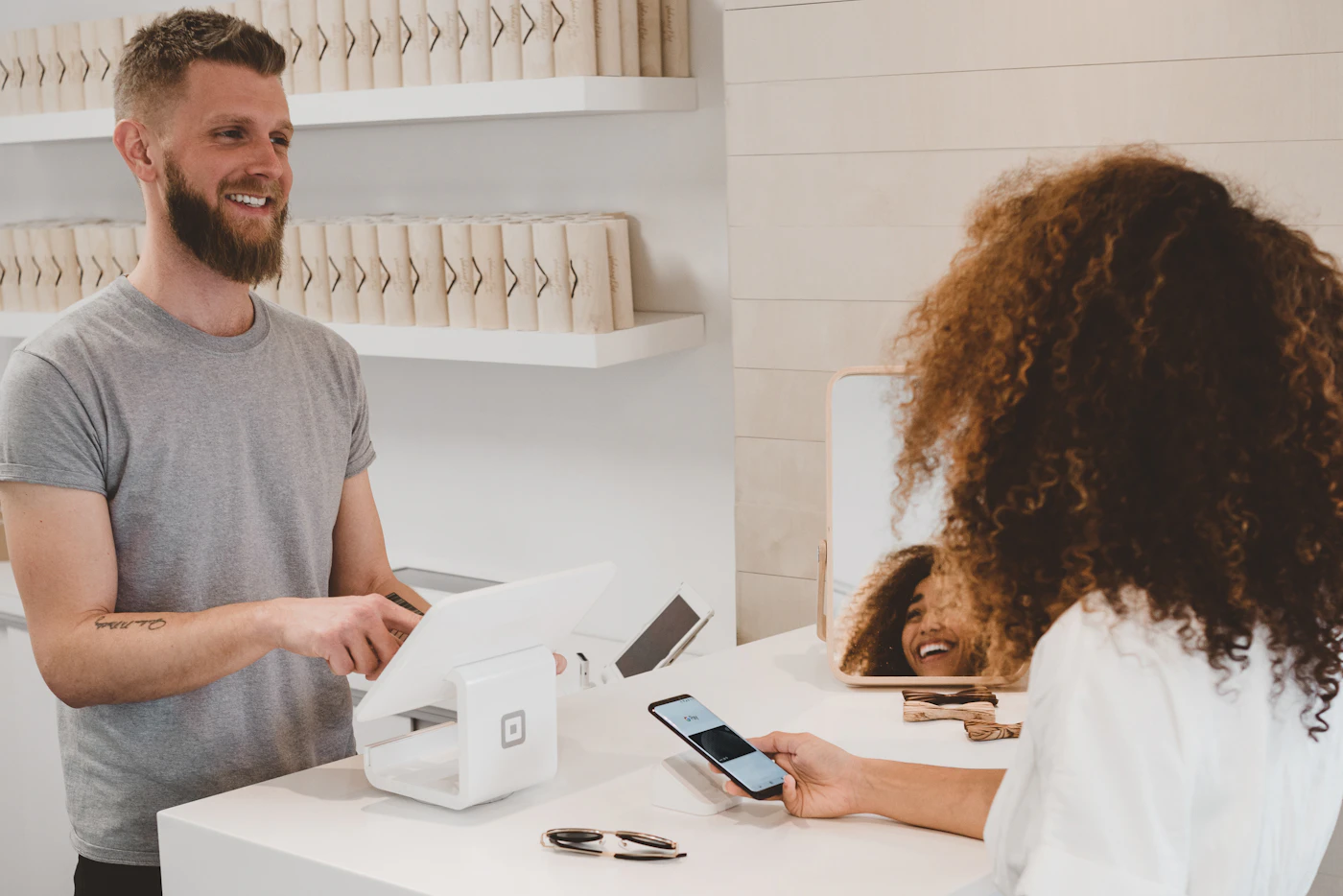
If you own a physical store in India, you have probably heard the phrase "go digital" more times than you can count. But what does that actually mean in practice? Do you need to list on Amazon? Build a website? Hire a developer? The answer is simpler than you think, and it starts with understanding what a digital storefront really is.
This guide breaks down the concept of a digital storefront, why it matters for Indian store owners in 2026, and how you can create one in under five minutes, without any technical skills, marketplace commissions, or middlemen.
What Is a Digital Storefront (and Why It's Not a Marketplace)
A digital storefront is your own branded online store. It has a unique URL, displays your products at your prices, and represents your brand, not someone else's platform. Think of it as the online equivalent of your physical shop: your name above the door, your products on the shelves, your rules.
A marketplace (Amazon, Flipkart, Meesho) lists your products alongside thousands of competitors. You are one seller among many, competing on price, paying commissions, and building someone else's brand. A digital storefront is your own space, customers visit your store, see your products, and connect with you directly.
This distinction matters enormously. On a marketplace, customer loyalty goes to the platform. On your digital storefront, loyalty goes to your store. You control the experience, the pricing, and the relationship.
To understand what drives VDOlocal's approach to digital storefronts, the principle is straightforward: your store, your brand, your customers.
Why Every Physical Store Needs One in 2026
India has over 12 million physical retail stores. Yet fewer than 5% have any form of digital presence. That number is staggering when you consider how dramatically customer behaviour has shifted.
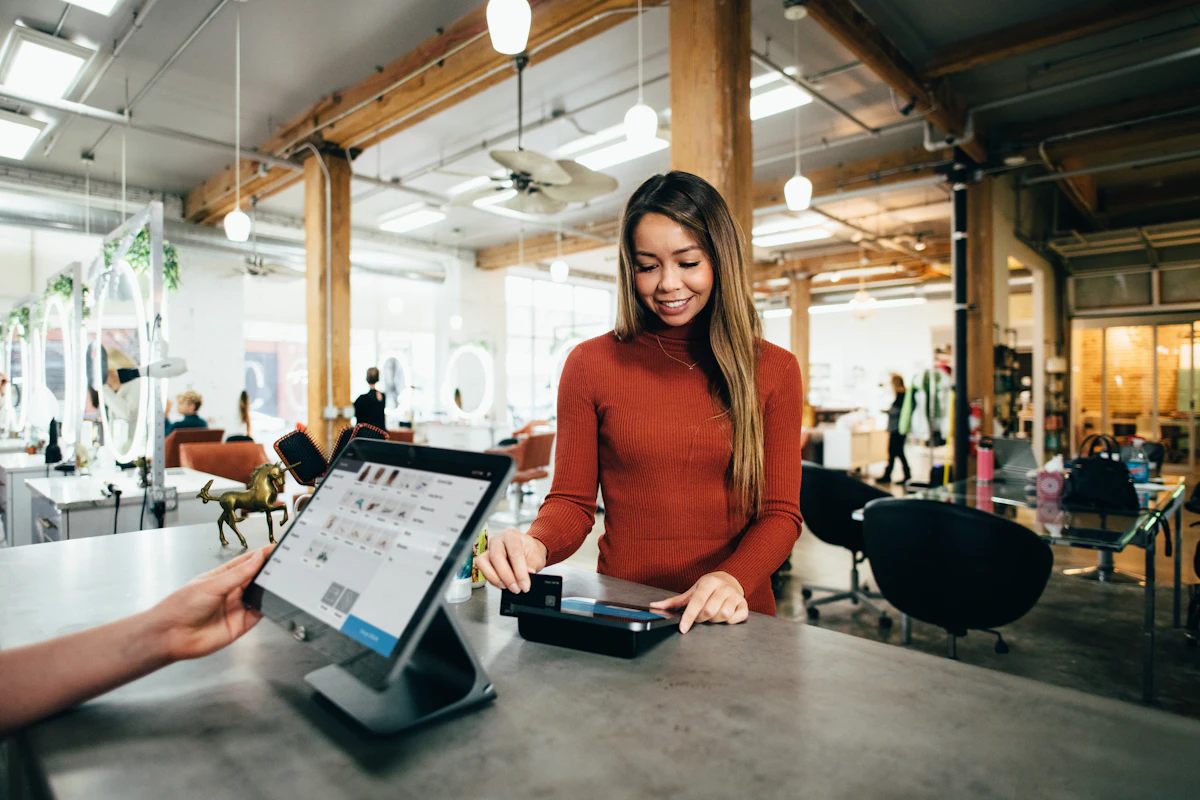 Most Indian stores have zero digital presence, a digital storefront changes that.
Here is what the data tells us:
- Mobile-first discovery is the norm. Over 750 million Indians access the internet through smartphones. When someone needs a product, the first instinct is to search on their phone, not walk through a market.
- Foot traffic alone is declining. Malls, markets, and high streets still see visitors, but the discovery process has moved online. If your store does not appear in a search, you do not exist for a growing segment of customers.
- Competitors are going digital. The stores that create digital storefronts today will capture the customers that offline-only stores will lose tomorrow.
- Younger customers expect it. Gen Z and millennial shoppers expect to browse, compare, and shortlist before visiting. They will not visit a store they cannot preview.
As we explored in our earlier article on the silent struggle of India's shopkeepers, the businesses that India depends on the most are the ones least equipped for how India now discovers. A digital storefront bridges that gap.
What a Good Digital Storefront Should Offer
Not all digital storefronts are created equal. If you are evaluating platforms or considering building your own, here is a checklist of what to look for:
- Video-first product listings. Static photos cannot show fabric texture, jewellery sparkle, or product quality. Video gives customers the confidence to visit or buy.
- WhatsApp integration. India runs on WhatsApp. Your storefront should let customers message you instantly with one tap.
- Real-time analytics and visitor insights. Know who is visiting your store, which products they are viewing, and what drives engagement.
- Zero commission on sales. Unlike marketplaces that take 10-30% of every sale, a good digital storefront charges a flat fee with no commission.
- AI-powered product photoshoot. Not every store owner has a professional photographer. AI tools can generate polished product visuals from simple inputs.
- POS inventory sync. Your digital storefront should reflect your actual inventory in real time, synced with your point-of-sale system.
- Shareable product links. Every product should have its own link that you can share on WhatsApp, Instagram, or any platform to drive traffic.
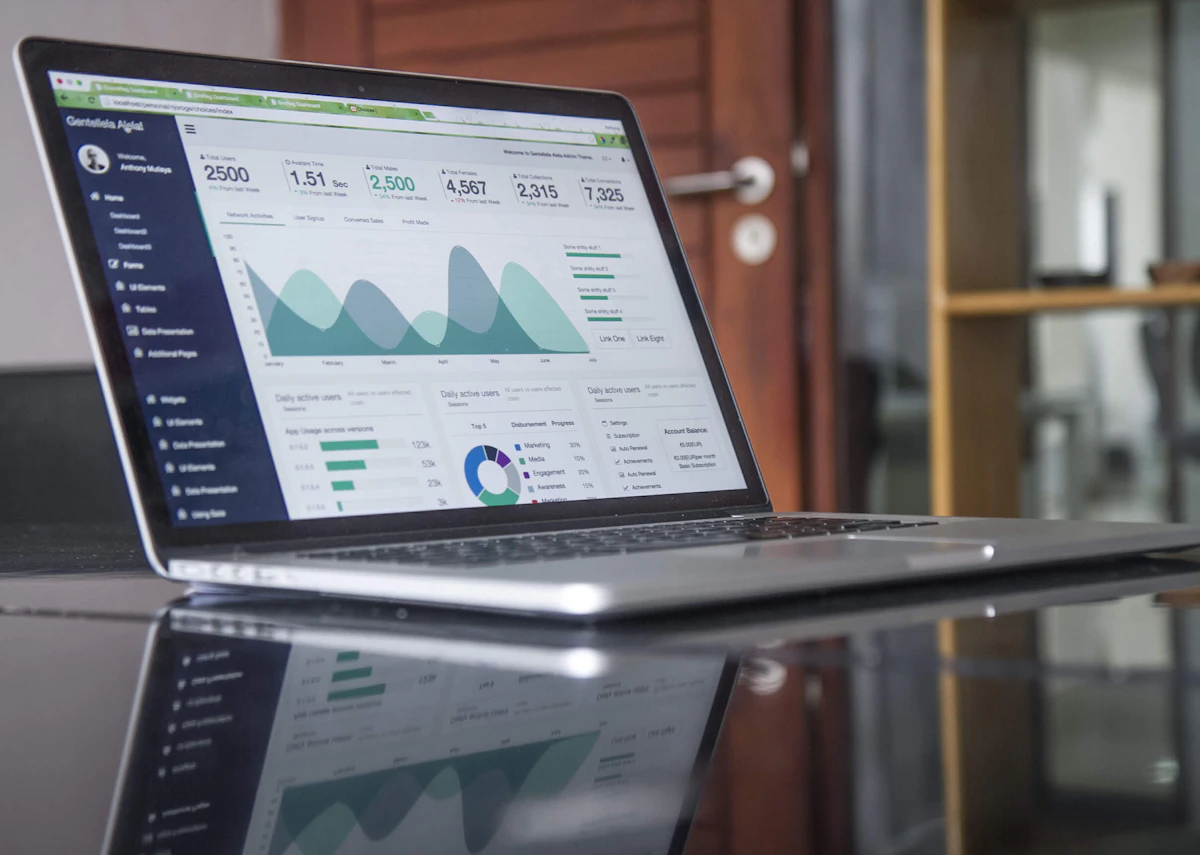 Real-time analytics show you who's visiting your store and what they're looking at.
A digital storefront is not about replacing your physical store. It is about extending its reach, making it visible to every potential customer within and beyond your neighbourhood.
How to Create Your Storefront in Under 5 Minutes
The biggest misconception about going digital is that it requires technical skills, expensive developers, or weeks of setup. With the right platform, the process takes under five minutes. Here is how it works with VDOlocal:
- Get in touch with us. Tell us your store name, category, and location. Your branded storefront URL is generated instantly.
- Add your products with videos. Upload product videos directly from your phone. No professional equipment needed. Show your actual inventory, not stock images.
- Share your unique store link. Your storefront gets a clean, branded URL. Share it on WhatsApp, Instagram, Google Business Profile, or print it on your visiting card.
- Start selling 24/7. Customers can browse your products, watch videos, and take action (Buy, Visit to Try, Keep on Hold) at any time of day, even when your physical store is closed.
If you can use WhatsApp and record a video on your phone, you can create a digital storefront. The entire process is designed for store owners, not developers.
Digital Storefront vs Social Media Selling
Many store owners use Instagram or WhatsApp catalogues as their digital presence. While these channels are useful for marketing, they fall short as a digital storefront. Here is why:
- No structured product catalogue. Instagram posts get buried in feeds. WhatsApp catalogues have limited organisation. A storefront gives you a proper, searchable product catalogue.
- No search and discovery. Customers cannot search for a specific product on your Instagram. A storefront lets them filter, browse, and find exactly what they need.
- No analytics. Instagram tells you likes and reach. A storefront tells you which products customers are viewing, how long they spend browsing, and what drives action.
- No professional URL. "DM for price" is not a business strategy. A branded storefront URL gives you credibility and professionalism.
- No action buttons. Social media lacks structured calls to action. A storefront offers clear buttons: Buy, Visit to Try, Keep on Hold, Share on WhatsApp.
Social media is a funnel. Your digital storefront is the destination. Use Instagram and WhatsApp to drive traffic to your storefront, not as a replacement for it.
FAQ: Digital Storefronts for Indian Stores
How much does a digital storefront cost?
With VDOlocal, the Standard plan is Rs 4,500/month and the Premium plan is Rs 6,000/month. Both plans charge zero commission on sales. No hidden fees, no transaction charges. See full pricing details.
Do I need technical skills to set up a storefront?
No. If you can use a smartphone, you can set up your storefront. The entire process is guided and takes under 5 minutes. Check our FAQ section for more details.
What types of stores can use a digital storefront?
Any physical store that wants to be discoverable online. This includes fashion and bridal stores, jewellery shops, salons and beauty parlours, kirana stores, hardware shops, electronics retailers, and more. If you have products or services that customers visit you for, a digital storefront works for you.
Is this available outside Mumbai?
Yes. VDOlocal is available across all of India. Whether you are in Mumbai, Delhi, Bengaluru, Coimbatore, Nagpur, or a Tier 2/3 city, you can create your digital storefront and reach customers in your area.
How is this different from listing on Amazon or Flipkart?
On a marketplace, you are one seller among thousands. You pay commission on every sale, compete on price, and build the marketplace's brand, not yours. A digital storefront is your own branded store. You control the experience, pay zero commission, and build direct customer relationships.
Get in touch with us and get your store online in under 5 minutes, zero commission, zero technical skills required.