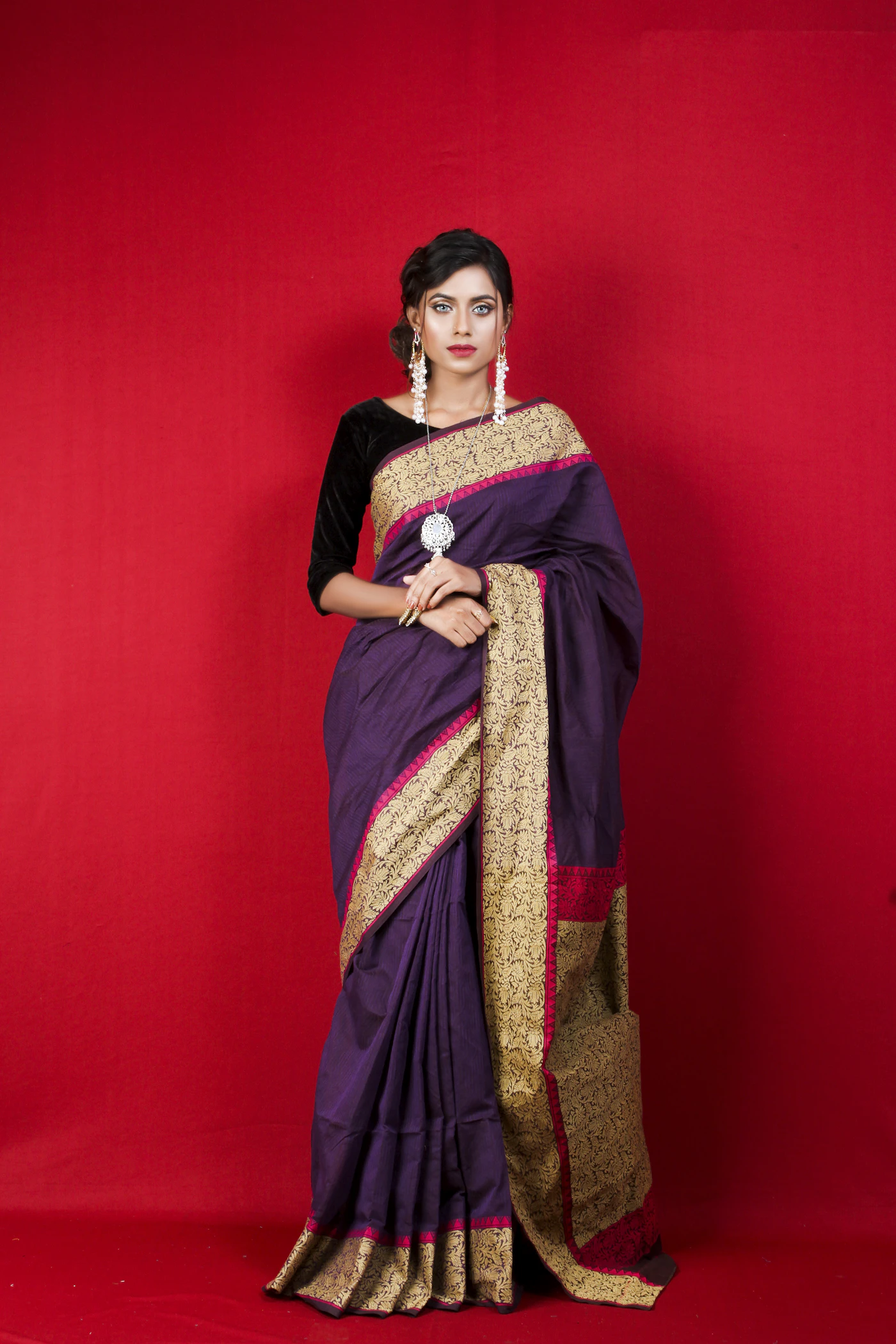
If you sell sarees, lehengas, or jewellery on Amazon, Flipkart, or Meesho, you are giving away 15-30% of every sale. On a Rs 10,000 Banarasi saree, that is Rs 1,500 to Rs 3,000 gone, not to your employees, not to better inventory, not to your shop's rent. Gone to a platform that also shows competing products right next to yours.
There is a better way. Fashion and jewellery store owners across India are moving to zero-commission video storefronts, keeping their full margins while reaching more customers than a marketplace ever brought them.
The Problem with Selling Fashion and Jewellery on Marketplaces
Marketplaces were built for commodities, standardized products where price is the primary differentiator. They were not built for the kind of products that fashion and jewellery stores sell: unique, handcrafted, high-value pieces where trust, presentation, and personal service matter.
Here is what marketplace selling actually looks like for a fashion or jewellery retailer:
- 15-30% commission on every sale, the single largest expense after inventory
- The marketplace owns the customer, you never get their phone number, never build a direct relationship
- Competing products displayed next to yours, a customer looking at your Rs 12,000 saree sees a Rs 3,000 lookalike in the "Similar Products" section
- Returns and refund policies you cannot control, a customer returns a worn saree after a wedding, and you absorb the loss
- Price undercutting from wholesalers, the same marketplace that sells your products also sells to your competitors at wholesale rates
For commodity products, this trade-off might make sense. For curated fashion and handcrafted jewellery, it is a losing proposition.
What Zero Commission Actually Means for Your Margins
The numbers are not complicated. They are just rarely calculated.
Selling Rs 2,00,000/month of products:
- On Amazon (20% commission): You pay Rs 40,000/month in commission
- On Meesho (15% commission): You pay Rs 30,000/month in commission
- On VDOlocal (flat fee): You pay Rs 4,500/month, keep Rs 1,95,500
That is Rs 35,500 more in your pocket every single month. Over a year, that is Rs 4,26,000, enough to hire an assistant, renovate your showroom, or invest in new inventory. See pricing plans.
Commission-free selling is not just about saving money, it is about controlling your business.
When you sell on a marketplace, you are renting shelf space in someone else's store. When you sell through your own video storefront, you own the entire experience, the branding, the pricing, the customer relationship, and the margins.
Why Video Matters More for Sarees and Jewellery
Fashion and jewellery are tactile products. Customers buy them based on how they look in motion, how they feel, how light interacts with them. These are the exact qualities that static photographs destroy.
Sarees
The drape of a Kanjeevaram silk. The fall of a georgette pallu. The shimmer of zari work under natural light. The way embroidery catches detail when the fabric moves. A photograph flattens all of this into a single, lifeless frame. A 20-second video restores it, showing the fabric as it actually looks and moves.
Jewellery
Gold does not shimmer in a photograph. Diamonds do not sparkle. Kundan does not reflect light. The weight of a piece, the intricacy of the setting, the size on an actual hand or neck, all of this is lost in static images. Video brings it back.
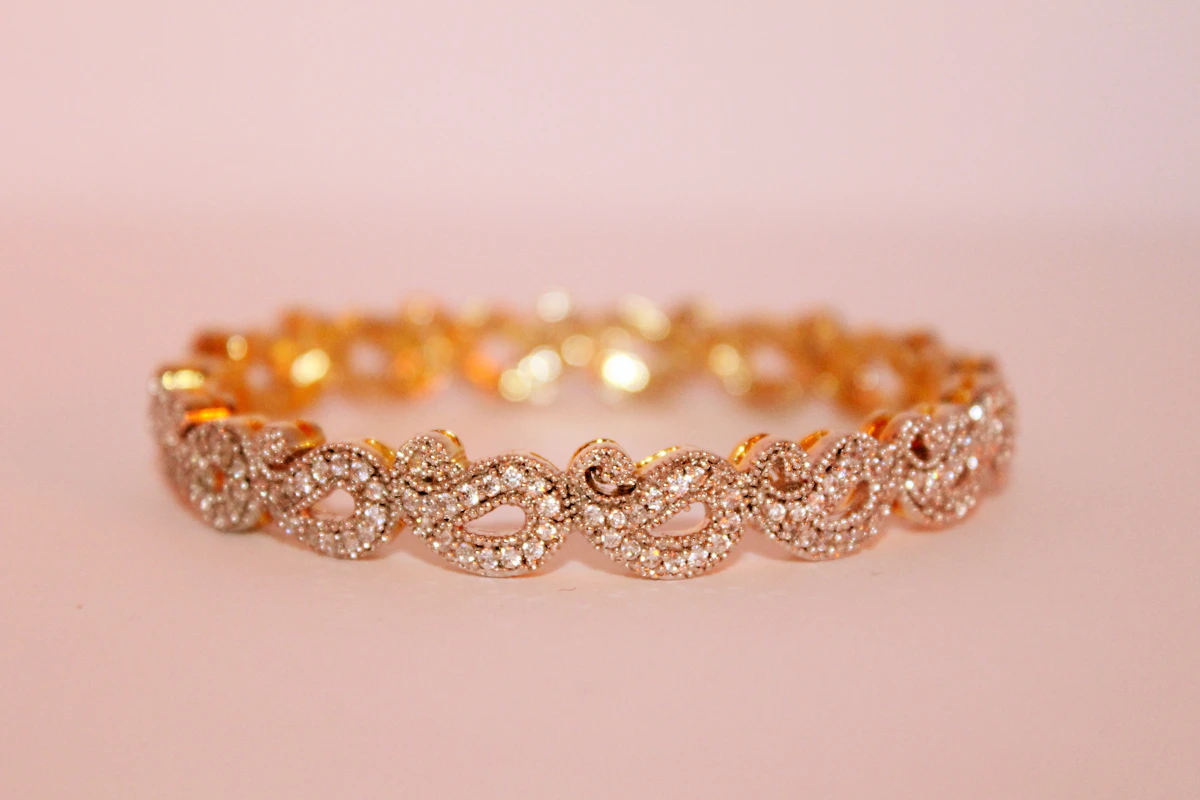 A 15-second video of gold jewellery builds more trust than any product photo.
Bridal Wear
Brides spend anywhere from Rs 15,000 to Rs 2,00,000 on a lehenga. This is not an impulse purchase, it is a considered decision that often involves the entire family. Before a bride will travel across the city (or the country) to try on a lehenga, she needs to see it in motion. She needs to see the colour in natural light, the embroidery up close, the way the skirt flares. Video makes this possible.
Learn how fashion and bridal stores and jewellery showrooms use video storefronts to convert online browsers into in-store buyers. For a complete guide on filming product videos, read How to Create a Video Storefront.
How Fashion and Jewellery Stores Use VDOlocal
The workflow is designed around how fashion and jewellery stores actually operate, not how a Silicon Valley engineer thinks they should operate.
Step 1: Categorize Your Collection
Create categories that match how your customers browse. A fashion store might organize by Lehengas, Sarees, Suits, Kurtas, and Dupattas. A jewellery store might use Necklaces, Bangles, Rings, Earrings, and Bridal Sets. Keep it intuitive, if a customer walked into your store, these are the sections they would ask about.
Step 2: Shoot Short Videos
For each piece, shoot a 15-30 second video with your phone camera. Natural light near a window or door works best. Rotate the product slowly, zoom into details, show the piece from multiple angles. No tripod required, a steady hand is sufficient.
Step 3: Add Price and Details
Upload the video, add the price, and write a brief description: fabric type, work style, occasion, available sizes. Customers want facts, not flowery marketing copy. "Pure silk Kanjeevaram, temple border, bridal red, Rs 18,500" tells a buyer everything she needs to know.
Step 4: Share on WhatsApp
This is where most sales begin. Share your store link in WhatsApp bridal groups, family groups, neighbourhood groups, and your personal status. A single WhatsApp share can reach hundreds of potential buyers, every one of whom sees your full video catalog, with prices and action buttons.
Step 5: Customer Shortlists and Visits
Customers browse your video catalog, shortlist items using "Keep on Hold" or "I Will Come to Try," and then visit your store having already decided what they want to see. This changes the in-store interaction completely, instead of casual browsing, you get a customer who has already made half the buying decision. Conversion rates go up dramatically.
Explore the full feature set to see how every step works.
From Lokhandwala to All of India
One of the most powerful shifts that happens when a local store creates a video storefront is reach. A shop in Lokhandwala Market, for example, traditionally serves customers who physically walk through that market. With a video storefront, that same shop can reach:
- Nearby customers via the Discover tab, anyone within 50km searching for your product category sees your store alongside other local options
- All-India reach via shared links, a bride in Delhi can browse a Lokhandwala boutique's collection at midnight, shortlist three lehengas, and plan a visit during her next Mumbai trip
- NRI customers across the globe, families abroad can browse your catalog, choose items for festivals and weddings, and coordinate purchases with relatives back home
Your shop's physical location limits who can walk in. Your video storefront has no such limit. A customer in Pune, Bangalore, or London can browse your entire collection, and when they are ready, they know exactly what they want.
Read how Lokhandwala Market stores are using video storefronts to reach customers beyond their immediate neighbourhood. For a broader perspective on digital storefronts for Indian businesses, see our complete guide.
Getting Started: Your First 10 Products in 30 Minutes
You do not need to digitize your entire inventory on day one. Start with 10 products and 30 minutes. Here is the checklist:
- Pick your 10 best-selling or newest items, these are the pieces customers ask about most, or the new arrivals you want to promote
- Shoot a quick video of each, 15-30 seconds per product, phone camera, natural light near a window or door
- Get in touch with us, we'll set you up quickly
- Upload with price and description, fabric/material, occasion, available sizes or variants
- Share your store link on your WhatsApp status, this single action puts your catalog in front of everyone in your contact list
- Done, you are now selling online without commission
That is it. No website builder. No coding. No marketplace onboarding process that takes weeks. Ten products, 30 minutes, and you have a video-first digital storefront that belongs to you, not to Amazon, not to Flipkart, not to any middleman.
Learn more about the setup process on How It Works.
Get in touch with us to create your free video storefront, zero commission, zero middlemen. Your store, your customers, your rules.