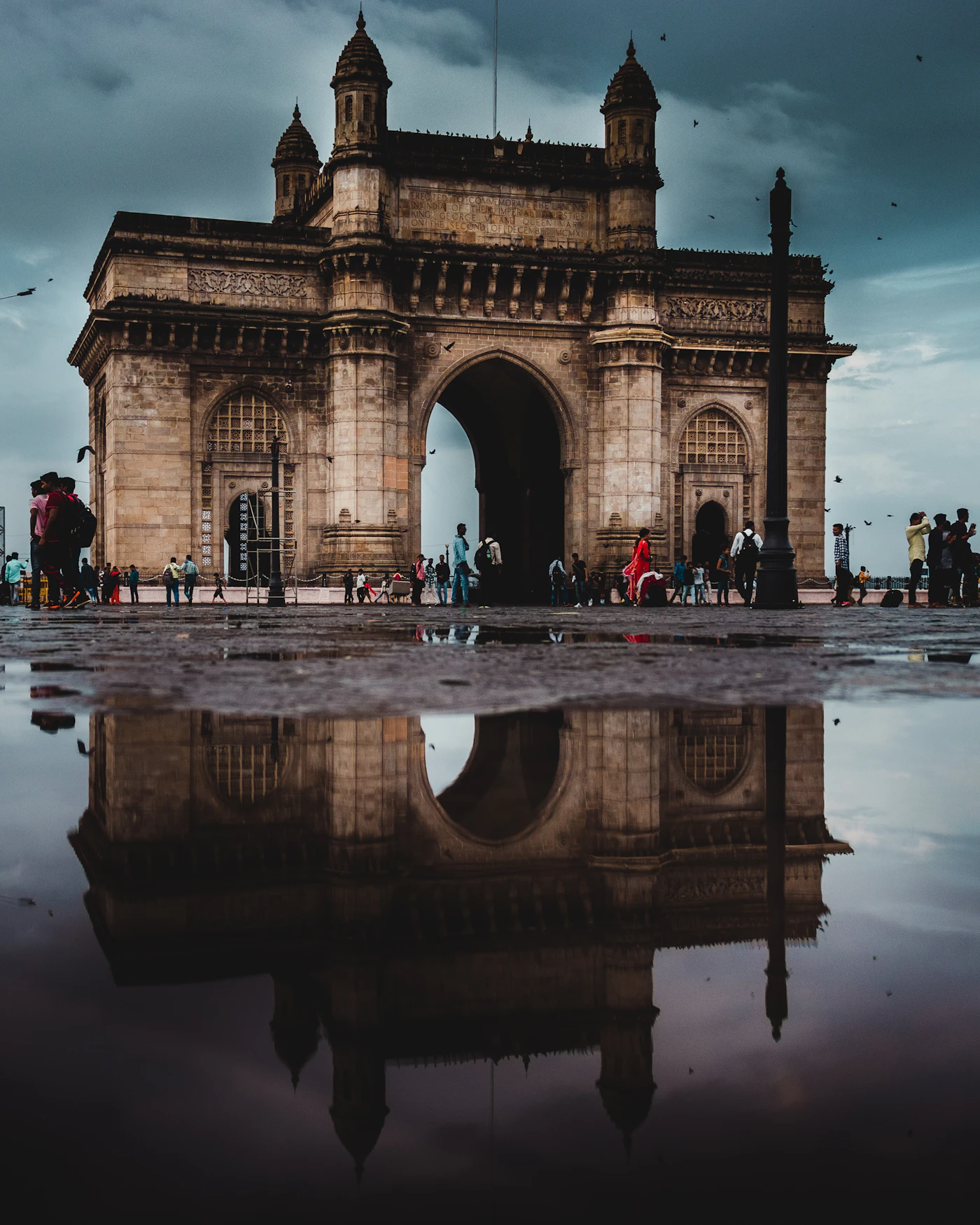
Mumbai's legendary markets have served generations. Lokhandwala Complex, Crawford Market, Zaveri Bazaar, Linking Road, Colaba Causeway, these are not just shopping destinations. They are institutions. But the way customers find and choose stores in these markets has fundamentally changed, and store owners who adapt will capture the next wave of growth.
Mumbai's Retail Landscape Is Changing
Customer behaviour has shifted, quietly but decisively. People search online before they visit offline. A bride in Andheri searches "bridal lehenga Lokhandwala" on her phone before making the trip. A customer in Thane wants to see jewellery options before committing to a 45-minute journey across the city. A family in Borivali compares fashion stores on Google before deciding where to spend their Sunday afternoon.
The stores that are discoverable online get the foot traffic. The stores that are not, lose to competitors who are. This is not speculation. It is happening right now, in every market across Mumbai.
The question is no longer whether Mumbai stores need a digital presence. The question is how quickly they can get one.
What "Going Digital" Looks Like for a Mumbai Shop
Let us be clear about what this is not. Going digital does not mean replacing your physical store. It does not mean learning to code. It does not mean becoming an e-commerce expert. It means extending your store's reach beyond the shop counter.
Here is what this looks like in practice:
- A customer in Bandra browses your video storefront from home
- She shortlists 3 sarees using "Keep on Hold"
- She takes a rickshaw to your Lokhandwala shop
- She walks in ready to buy, not ready to browse
The store visit becomes a closing visit, not a discovery visit. The result: higher conversion rates, less time wasted showing products that do not match the customer's taste, and happier customers who feel in control of their shopping experience.
This is the model that works for Mumbai's physical stores. Not replacing the in-store experience, but making it more efficient. Learn more in our complete guide to digital storefronts in India.
How Lokhandwala Market Stores Are Using VDOlocal
Lokhandwala Complex is one of Mumbai's most vibrant retail hubs, hundreds of stores packed into a buzzing commercial zone that attracts shoppers from across western Mumbai. Here is how different store types are using video storefronts.
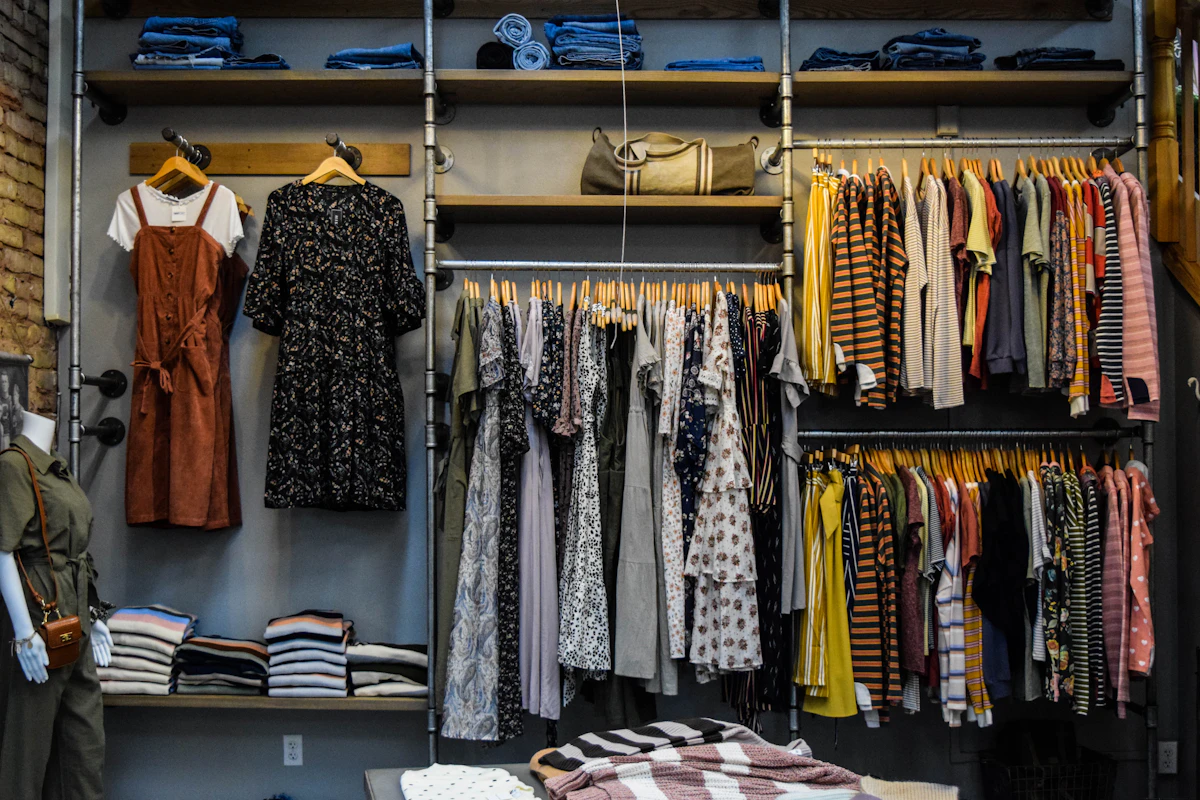 Mumbai's fashion stores are extending their reach beyond the shop counter with video storefronts.
Fashion stores are shooting 30-second videos of new arrivals and sharing them in local WhatsApp groups. Brides shortlist outfits before visiting, turning hour-long browsing sessions into focused 20-minute buying sessions. The store owner saves time. The customer saves energy. Both win. See how fashion stores use VDOlocal.
Jewellery shops in Lokhandwala and Zaveri Bazaar are showcasing their gold and diamond collections through video. High-value customers, the ones who spend Rs 50,000 or more, prefer to browse from the comfort of home before visiting. Video gives them the confidence to make the trip with purchase intent, not curiosity. See how jewellery stores use VDOlocal.
Beauty salons are posting before-and-after transformation videos. A client in Versova sees a hair colour transformation video, knows exactly what to expect, and books with confidence. No surprises, no mismatched expectations. See how salons use VDOlocal.
The Discover tab on VDOlocal shows stores to anyone within 50km searching for their category. A customer in Andheri East searching for "fashion store" can discover a Lokhandwala boutique they never knew existed. This is organic discovery, without paying for ads. Learn more about the Lokhandwala Market digital presence.
5 Ways Mumbai Store Owners Can Use Their Digital Storefront
Having a digital storefront is only valuable if you use it actively. Here are five practical, actionable strategies that Mumbai store owners are using right now.
- Share new arrivals daily on WhatsApp Status. One product video with your store link. Every contact who views your status can tap through to your full catalog. This is the lowest-effort, highest-impact action you can take.
- Add your store link to Google Business Profile. When someone searches "fashion store Andheri West" or "jewellery shop Lokhandwala," your Google listing appears. If your store link is there, they browse your video catalog before visiting. You have already started the sale.
- Pin your store link in your Instagram bio. Every follower who visits your profile can browse your entire catalog, not just the posts Instagram decides to show them. Your bio becomes a permanent storefront entrance.
- Print a QR code on visiting cards, shop banners, and packaging. This is the offline-to-online bridge. A customer visits your store, picks up a visiting card, scans the QR code later, and browses your catalog from home. They come back for the second purchase without making the trip first.
- Share individual product links in neighbourhood WhatsApp groups. "New Banarasi sarees just arrived" with a direct link to the product. Not a photo that gets lost in the scroll, a link that opens your professional storefront with video, price, and action buttons.
A link in a WhatsApp group. That is the most effective marketing channel for Mumbai's local stores. VDOlocal gives you that link, professional, branded, and backed by video.
From Lokhandwala to Pan-India: Removing Geographic Limits
A Lokhandwala jeweller's digital storefront link can reach places their shop counter never could:
- NRI families in Dubai who want to buy gifts for a wedding in Mumbai
- A bride-to-be in Pune who is researching Mumbai stores before her shopping trip
- Corporate buyers in Bangalore looking for bulk orders of traditional wear
- A returning customer in Delhi who bought once during a Mumbai visit and wants to reorder
The Discover tab is the starting point, it shows your store to anyone searching within a 50km radius. But shared links have no geographic limit. Your product catalog is available 24 hours a day, 7 days a week, to anyone, anywhere in the world.
A physical store in Lokhandwala has a reach of approximately 2-3 km. A digital storefront for that same store has no boundary at all. Read how sellers are reaching customers across India without commission, and explore the full set of VDOlocal features.
Getting Started: Free Setup, No Risk
VDOlocal is built for store owners who want results without complexity. Here is what the plans look like:
- Standard: Rs 4,500/month. Your own branded video storefront with a unique URL, product catalog with video, WhatsApp integration, and analytics dashboard.
- Premium: Rs 6,000/month. Everything in Standard, plus Discover tab listing (customers find you by searching your category), advanced analytics, and priority support.
No lock-in contract. No commission on sales. Cancel anytime. You own your store, your customer relationships, and your data.
Compare plans in detail on our pricing section.
Getting started takes less than 5 minutes:
- Get in touch with us
- Tell us about your store
- Add your products with video
- Share your unique store link
No coding. No developer. No documents. See the full walkthrough on our How It Works page.
Get in touch with us to create your video-first digital storefront, live in under 5 minutes. Your Lokhandwala, Crawford Market, or Linking Road store deserves to be discovered online.